Who We Are
Vision And Mission
Our vision is to promote a whole-person approach to health and well-being: one that honors the physical aspects of health, cared for by qualified medical professionals, and the spiritual dimensions of life that shape meaning, hope, dignity, coherence, resilience, and peace.
Heaven Foundation – Fondation CIEL exists to serve people and communities through spiritual health education, research, reflection tools, spiritual support, and practical initiatives that encourage growth, stability, and self-reliance. We are especially committed to supporting vulnerable communities with long-term, sustainable assistance that helps restore dignity, opportunity, and hope.
Our work is inspired by Scripture and guided by compassion, humility, responsible inquiry, and respect for the whole person.
Our Primary Scriptures Based Objectives are:
- Educate and raise awareness about the role spiritual health can play in personal well-being, resilience, healing, and the experience of illness or hardship.
- Provide spiritual care, prayer, encouragement, and educational support to individuals and communities, including those navigating illness, stress, grief, or life transition.
- Support thoughtful research and dialogue in the field of spirituality, health, and whole-person care.
- Develop spiritual health tools, including CAMERS and the Spirit Index, to help individuals reflect on coherence, spiritual alignment, and areas of inner strain.
- Create initiatives that nurture spiritual life, community connection, compassionate service, and practical support.
- Encourage people to recognize spiritual needs, cultivate inner resilience, and find sources of meaning, peace, hope, and direction.
- Promote prevention-oriented living through spiritual practices such as reflection, prayer, forgiveness, repentance, truth-telling, gratitude, rest, worship, service, and supportive community.
- Support vulnerable communities through education, livelihood initiatives, and long-term assistance that encourages dignity, stability, and self-reliance.
We do not present spiritual care as a substitute for professional medical care. We encourage individuals with medical or mental health concerns to seek guidance from qualified healthcare providers.
What We Believe
A line has been drawn between visible and invisible, material and immaterial, and finally between physical and spiritual. But must we choose either one or the other in order to find answers to our deeply held questions? In fact, the fixation upon only what is visible may lead us to overlook the signature of the supernatural realm upon human’s health. “By faith we understand that the worlds were created by the word of God, so that what is seen was not made out of things which are visible” (Hebrews 11:3). The visible world is thus an image of that invisible one and the former follows the latter like a silhouette. Nothing is more invisible than a thought, which can be expressed through sound waves, which in turn are also invisible to our naked eyes; unless we find a way to make the sound waves move something that we can see. The complexity of the electrical signals and the biological signaling pathways carried through the human body are also just two of the other ways that the visible testifies to the invisible. Jesus Christ, ‘the visible representation of the invisible God’ (Colossians 1:15), said, “Images are visible to people, but the light within them is hidden in the image of the Father’s light. He will be disclosed, but his image is hidden by his light”(Gospel of Thomas). In the medical arena, the presence of signs and symptoms testifies to the invisible (naked eye) underlying disease, which itself precedes the onset of the physical manifestations in individuals affected by the condition.
Thus, while the invisible may precede and dictate the visible, changes in the visible arena may also be preceded by changes in the unseen realm. Symptoms that are absent at the onset of illness may develop or worsen over time due to the invisible disease progression (i.e., a change in the underlying disease state). While those signs and symptoms may disappear altogether, with or without treatment, the underlying disease may persist or even become permanent. This may be the reason why the Apostle Paul advised us to “fix our eyes not on what is seen, but on what is unseen, since what is seen is temporary, but what is unseen is eternal” (2 Corinthians 4:18). So, if we want to see things change in our reality, it is important to act on the supernatural realm.
We therefore suggest a multi-dimensional approach to life and disease, that simultaneously addresses: the visible or physical and the invisible or spiritual aspects of health or wellness. If we are unable to solve a problem (such as treating a disease) in the visible world, then we must seek answers in the realm of the invisible world until we find it. Jesus said, “Those who seek should not stop seeking until they find. When they find, they will be disturbed. When they are disturbed, they will marvel, and will rule over all” (Gospel of Thomas).
We recognise that this is an incredibly complex subject from both a scriptural and scientific perspective. Advances in science and new revelation could alter some, or even many, of the ideas made here.
What We Believe
A line is often drawn between the visible and the invisible, the material and the immaterial, the physical and the spiritual. We believe that human life cannot be fully understood by looking only at what is visible.
The unseen dimensions of life, including meaning, hope, love, grief, conscience, purpose, relationship, spiritual alignment, and connection with God, shape how people experience themselves, one another, illness, healing, and the world.
Scripture reminds us that faith allows us to perceive realities beyond what the eye can see. Hebrews 11:3 teaches that what is visible is not the whole story of creation, and 2 Corinthians 4:18 invites us to give attention not only to what is seen, but also to what is unseen.
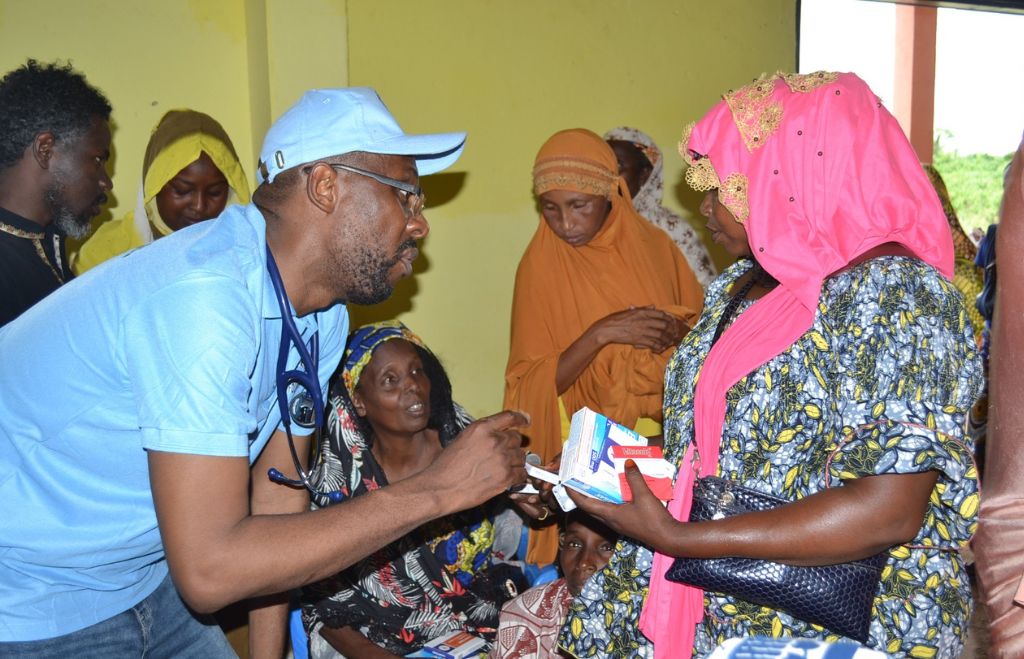
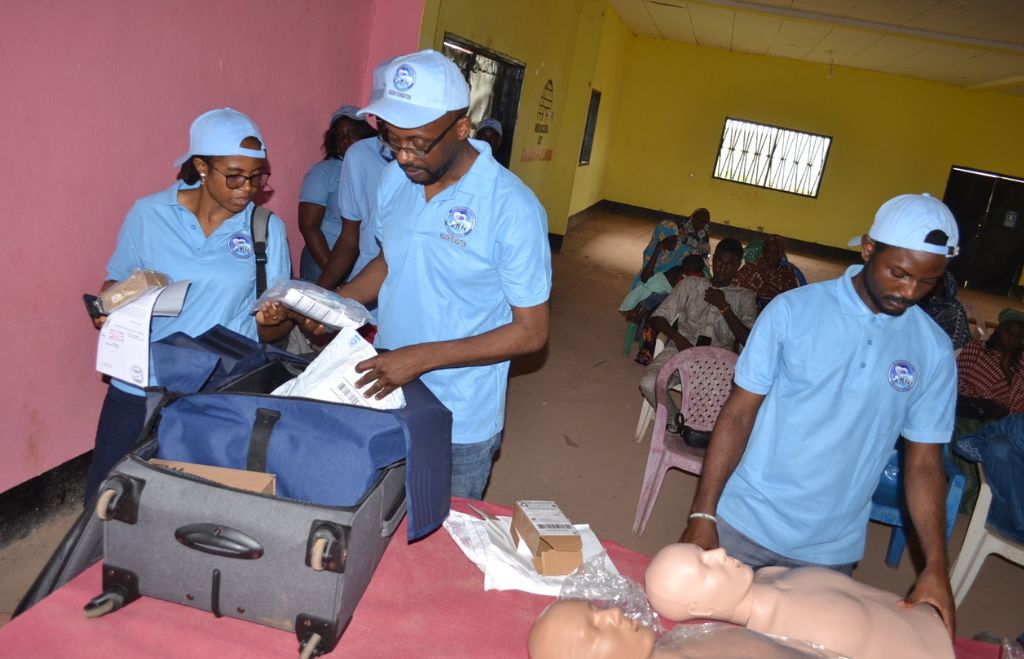
This belief does not lead us away from science or medicine. Rather, it encourages humility. Medicine plays an essential role in diagnosing, treating, and preventing physical and mental health conditions. We honor that work and encourage people to receive appropriate professional care.
At the same time, we believe spiritual health has its own important role. Spiritual care can offer comfort, prayer, reflection, meaning, community, hope, and a deeper sense of coherence. It can help people feel seen as whole persons, not only as bodies, symptoms, or diagnoses.
We believe every illness has a spiritual dimension, not in the sense of blaming the person who is ill, but in the sense that illness affects the whole person: body, soul, spirit, relationships, meaning, identity, and hope.
This does not mean that illness is always caused by personal sin, lack of faith, moral failure, or spiritual weakness. Nor does it deny the physical, genetic, infectious, environmental, psychological, social, and lifestyle factors that contribute to disease.
Rather, our spiritual health framework asks a deeper question: What is happening in the unseen life of the person? Where might there be grief, fear, disconnection, unresolved pain, loss of meaning, spiritual misalignment, or loss of inner coherence? We approach these questions with compassion, not judgment.
We therefore embrace a whole-person approach to well-being. Medical professionals care for physical and mental health conditions. Spiritual caregivers, faith communities, supportive relationships, and reflective tools can help nurture meaning, hope, peace, spiritual strength, and alignment.
We hold our perspective with conviction and humility. The relationship between spirituality, well-being, illness, healing, and prevention-oriented living is complex and understood differently across faith traditions, cultures, and scientific disciplines. We welcome thoughtful dialogue, responsible research, and continued learning.
Our History
How It All Started
Glory be given to God, who makes His mystery known through His Holy Spirit.
Heaven Foundation – Fondation CIEL was founded by Prof. Dr. Emmanuel Eroume A. Egom, a cardiologist, senior clinician-scientist, and professor of medicine, from a deeply held conviction that caring for people requires attention to the whole person: body, soul, and spirit.
Through years of medical practice, research, and service, Prof. Dr. Eroume A. Egom came to recognize that many people facing illness, stress, grief, or hardship are seeking more than clinical answers alone. They also seek meaning, hope, comfort, connection, spiritual clarity, and encouragement.
The Foundation was created to explore and support this spiritual dimension of care in a responsible, compassionate, and Scripture-inspired way.
Our work is shaped by the compassion of Jesus Christ and by the biblical call to care for those who are suffering, vulnerable, or in need. The Gospel accounts repeatedly show Jesus responding to human suffering with mercy, presence, truth, and compassion. That example continues to shape our mission.
In practice, this means that we come alongside people with spiritual encouragement, prayer, education, reflection, community, and practical support. Our spiritual support is intended to walk alongside professional medical care, not to replace it.
We do not diagnose medical conditions, prescribe medical treatment, promise cures, or suggest that spiritual practice should be used instead of medical care. We encourage everyone in our community to seek and follow the guidance of qualified healthcare providers.
Matthew 17: 15 “Lord, have mercy on my son,” he said. “He has seizures and is suffering greatly. He often falls into the fire or into the water. 18 Jesus rebuked the demon, and it came out of the boy, and he was healed at that moment’.
There are two rules in medicine:
- Treat the cause of the problem when practicable.
- Otherwise, treat symptomatically (this is what physicians do most of the time).
Since a malfunctioning spirit is at the root of most diseases, if you want to attack the cause of the problem, you should seek God’s help asking for mercy or misericord.
Proverbs 18: “The human spirit can endure in sickness, but a crushed spirit who can bear?”
Why do you have to ask for mercy or misericord? Because sin is at the root of a malfunctioning spirit, which in turn predispose you to develop disease (and thus death) by making you more vulnerable to unclean spirits.
Romans 5: “12 Therefore, just as sin entered the world through one man, and death through sin, and in this way death came to all people, because all sinned”
We continually give thanks to God “For since death came through a man, the resurrection of the dead comes also through a man” (1 Corinthians 15:21). And therefore, also the forgiveness of sins. But your healing also depends on your faith; this must serve the glory of God so that through it the glory of the Son of God is revealed… Matthew 9: “2 And behold, they brought to him a paralytic, lying on his bed; and when Jesus saw their faith he said to the paralytic, “Take heart, my son; your sins are forgiven.”
All living things – whether that be human, plant or animal – have a spirit that maintains and directs life and separates living matter from non-living matter.
A spirit is a form of energy that enables all living things to self-heal or to preserve life and directs the different body systems to function as a harmonious whole, in much the same way a conductor directs the separate parts of an orchestra to produce a single, pleasing piece of music.
The spirit is thus responsible for maintaining the body’s state of health and balance:
- The state of our spirit determines our state of health throughout a person’s entire life.
- It is constantly assaulted.
- A healthy spirit maintains a healthy mind and body and a weakened or blocked spirit will allow illness to enter the person.
When we become unwell, we often look to the symptoms as the cause of the problem. In reality, symptoms are only the secondary changes- products of a deeper disturbance. Apart from injury, the symptoms of disease and ill-health can only occur when there has been a disruption to the spirit. This disruption can occur from psychic (mental rather than physical) shocks such as deep grief, prolonged anxiety, terror, disappointment, or even extreme joy. Physical shocks can come from infectious diseases, exposure to the elements, trauma, malnutrition, extreme exertion, and so on. all the symptoms a patient exhibits are only a reflection of an imbalance in that patient’s inner force.
The Spiritual Dimension of Well-Being
Many spiritual traditions, including our own, recognize a spiritual dimension within every person. This dimension includes meaning, hope, conscience, values, relationship, prayer, worship, love, forgiveness, purpose, and connection with God.
We believe nurturing this inner life can support a person’s sense of peace, resilience, purpose, and wholeness. Spiritual practices such as prayer, reflection, gratitude, forgiveness, worship, repentance, truth-telling, rest, service, and supportive community can help people live with greater intention and hope.
We also believe spiritual practices can play a meaningful role in healing, recovery, resilience, and prevention-oriented living. They may help restore peace, strengthen hope, support emotional-spiritual balance, and guide people toward healthier patterns of life.
These practices are offered as spiritual supports, not as medical treatments. They are not presented as guaranteed cures or as replacements for diagnosis, medication, therapy, surgery, emergency care, or other professional healthcare services.
Our Approach to Whole-Person Care
Heaven Foundation – Fondation CIEL promotes a whole-person vision of care that honors both professional healthcare and spiritual health.
We believe the body deserves appropriate medical attention. We believe the mind and soul deserve compassion, understanding, and, when needed, professional mental health support. We believe the spirit deserves care, reflection, prayer, meaning, truth, alignment, and connection.
No single form of support should be asked to do everything. Medical care, counseling, family support, community, spiritual care, and practical assistance each have their own proper role. When these forms of support are respected and appropriately integrated, people may feel more fully accompanied in their journey.
Our work focuses on spiritual health education, reflective tools, community support, Scripture-inspired encouragement, and spiritual care. We seek to create spaces where people can reflect honestly, receive support, and cultivate spiritual resilience without fear, shame, or pressure.
CAMERS and the Spirit Index
CAMERS and the Spirit Index are central tools in our spiritual health framework.
CAMERS is a reflective questionnaire designed to help individuals explore key areas of spiritual well-being and inner coherence. It invites reflection on areas such as congruency, thoughts, emotions, responses, speech, and spiritual orientation.
The Spirit Index is a companion framework that helps summarize these reflections into a spiritual coherence profile. It may help individuals notice areas of strength, areas of strain, and patterns that may benefit from prayer, reflection, spiritual guidance, rest, forgiveness, truth-telling, counseling-informed support, or community care.
CAMERS and the Spirit Index are not medical tests, psychiatric assessments, psychological diagnostic tools, or substitutes for professional healthcare. They do not diagnose disease, predict illness, measure a person’s worth, or determine a person’s standing before God.
Their purpose is to serve as spiritual reflection tools: helping individuals recognize patterns in the inner life, consider where coherence may be disrupted, and take thoughtful steps toward spiritual growth, alignment, and whole-person awareness.
Our Commitment to Responsible Spiritual Health and Care
We believe every illness has a spiritual dimension because illness affects the whole person: body, soul, spirit, relationships, meaning, identity, and hope. We also believe that spiritual practices can play a meaningful role in healing, recovery, resilience, and prevention-oriented living.
At the same time, we are careful to speak about these beliefs responsibly.
- We do not teach that illness is proof of personal failure, lack of faith, sin, moral weakness, or spiritual inferiority.
- We do not deny the physical, genetic, infectious, environmental, psychological, social, and lifestyle factors that contribute to disease.
- We do not claim that spiritual practices guarantee cure, prevent specific diseases, or replace professional diagnosis, treatment, medication, therapy, surgery, or emergency care.
- We do not advise anyone to stop medication, avoid treatment, delay care, or rely on spiritual care alone for a medical or mental health condition.
Our approach is integrated. We honor medical science for the care of the body, and we honor spiritual health for the care of the inner life. We believe both dimensions matter. We speak of spiritual dimensions not to blame the sick, but to affirm that no illness should be reduced to biology alone. Every person deserves care that sees the body, listens to the soul, and honors the spirit.
Serving Vulnerable Communities
A central part of our mission is to support vulnerable communities in practical and sustainable ways. We believe spiritual care must be accompanied by compassion in action.
This includes education, community-building, livelihood initiatives, spiritual health resources, and long-term support designed to help individuals and families move toward stability and self-reliance.
Our goal is not dependency, but dignity. We seek to help communities discover and strengthen their own capacity, resources, and hope for the future.
We believe that spiritual health and practical support belong together. A person cannot be fully supported through words alone when they also need food, shelter, education, opportunity, safety, and community. For this reason, our mission joins spiritual reflection with tangible service.
Spiritual Health, Science, and Humility
Heaven Foundation – Fondation CIEL values spiritual health, responsible inquiry, and thoughtful dialogue between science and spirituality. We believe these areas can be placed in conversation with one another without reducing one to the other.
Science helps us understand the physical, psychological, biological, and social dimensions of health. Spiritual health helps us attend to deeper questions of meaning, purpose, love, suffering, hope, conscience, alignment, relationship, and connection with God.
At the same time, we do not present our spiritual health framework as a proven medical system or as a replacement for professional care. It is offered as a spiritual, educational, and reflective approach that may complement medicine by supporting meaning, compassion, resilience, and whole-person awareness.
As understanding grows, we remain open to learning, refinement, responsible research, and collaboration with healthcare professionals, spiritual caregivers, researchers, educators, and people with lived experience.